Autocar India

Kia cars in India (12)
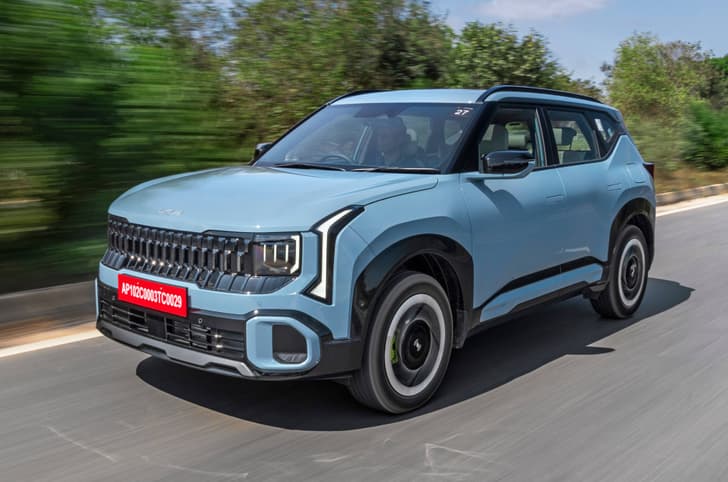
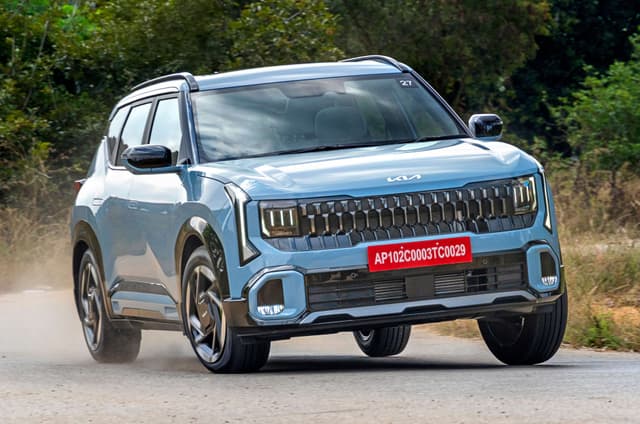
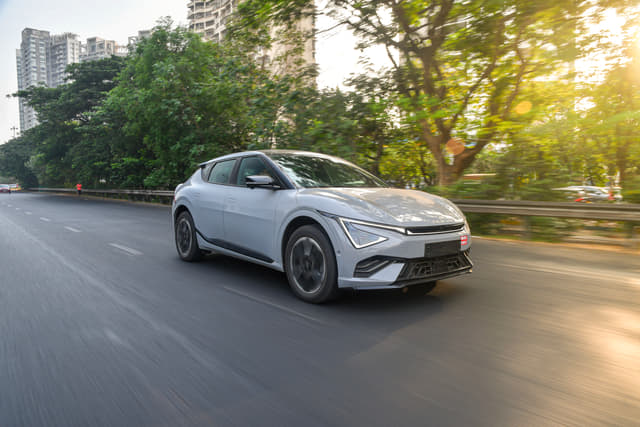
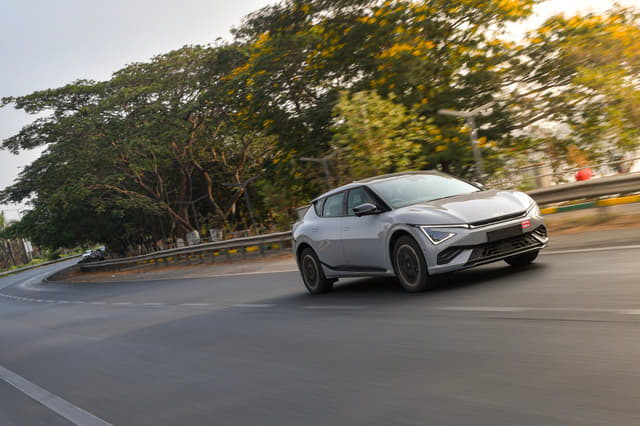
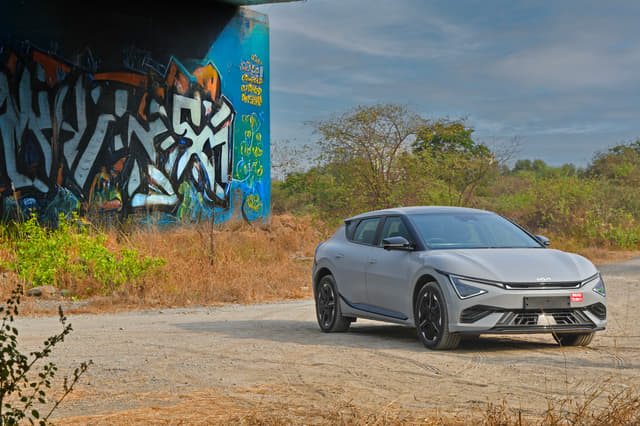
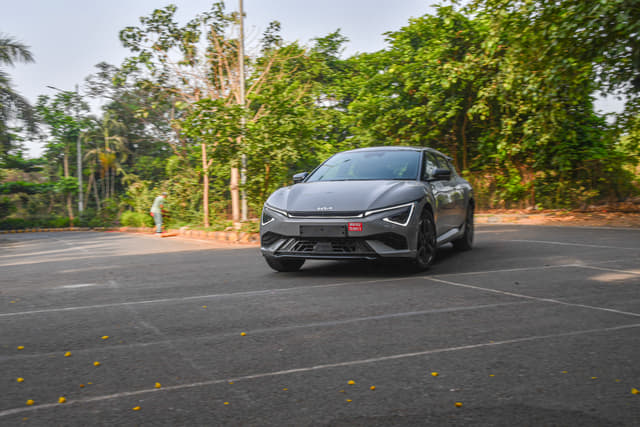
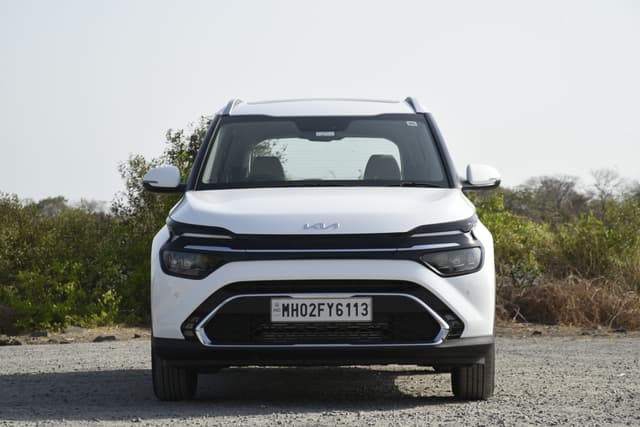
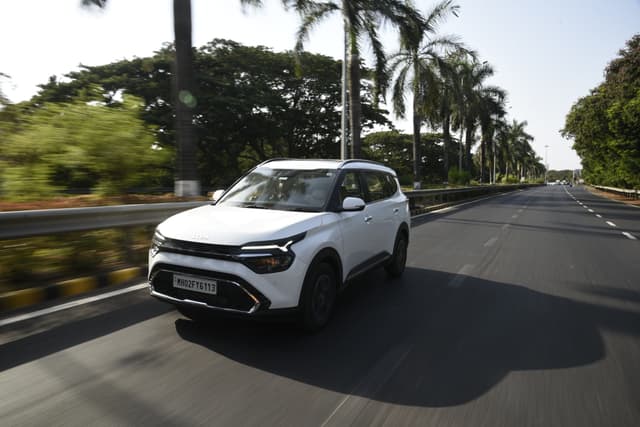
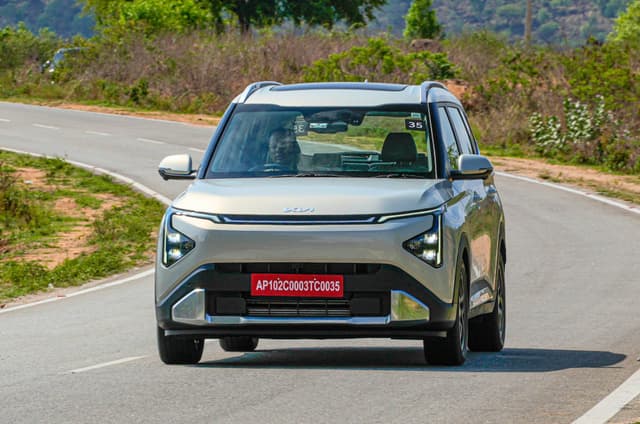
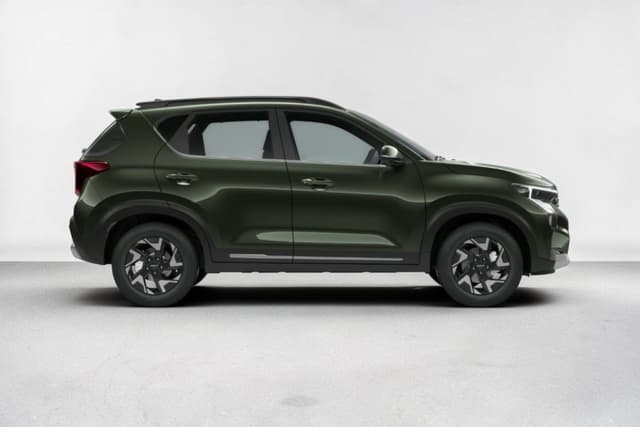
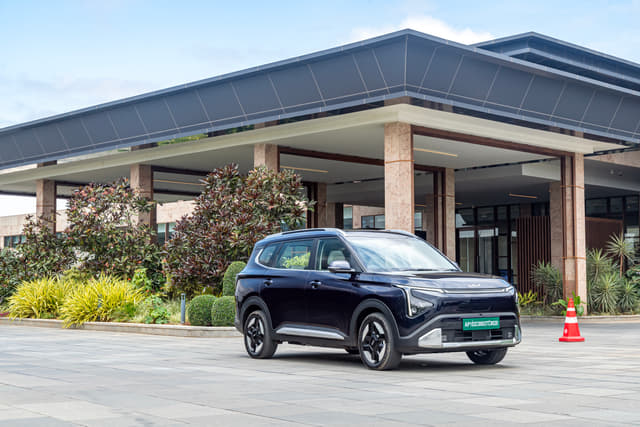
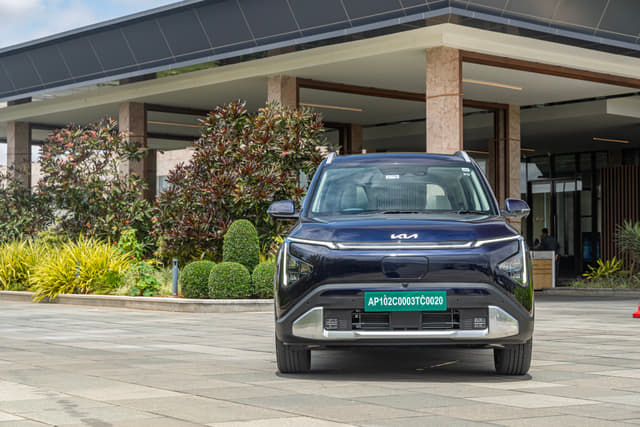
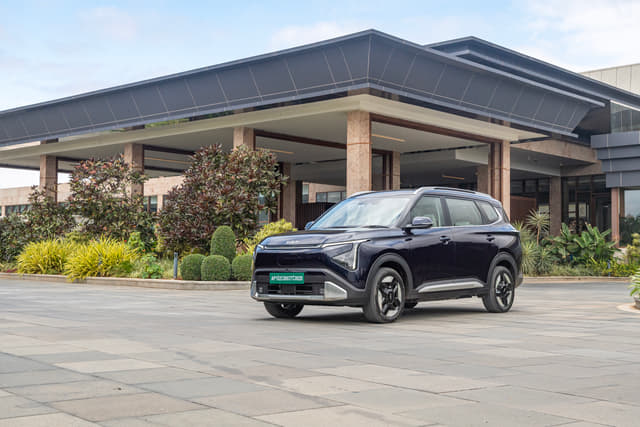
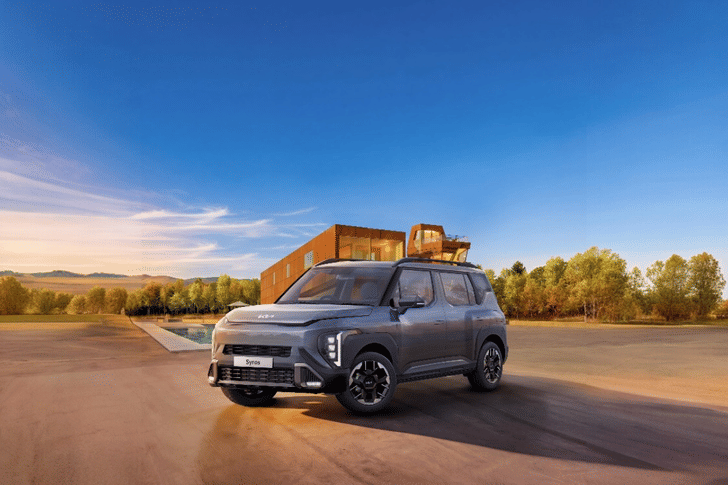
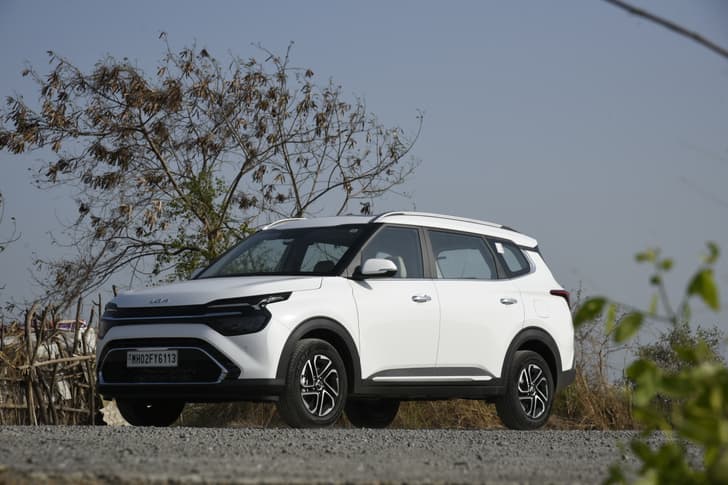
Kia is a sister entity to Hyundai, operating globally under the Hyundai Motor Group umbrella. In India, it debuted in 2019 with the Seltos SUV, followed by popular models like the Sonet, EV6, Carens Clavis, and Syros. It is one of the few mass-market carmakers in India to offer a diesel powertrain, along with petrol and EV choices, with a plug-in-hybrid powertrain joining in 2026.

Show more
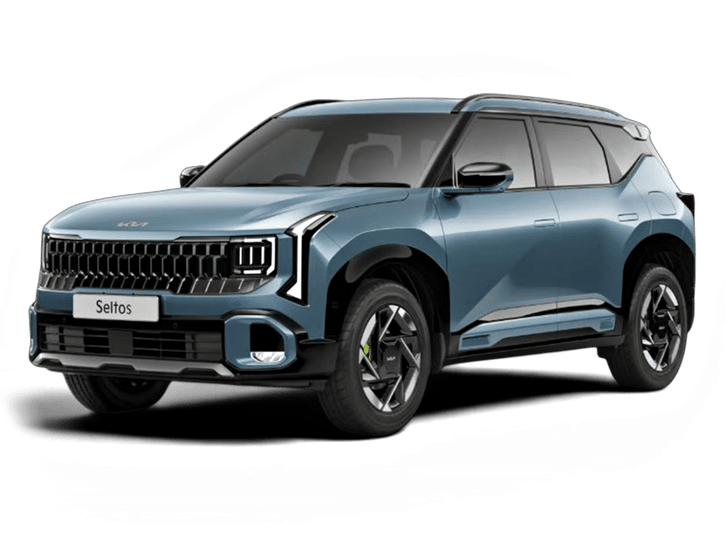
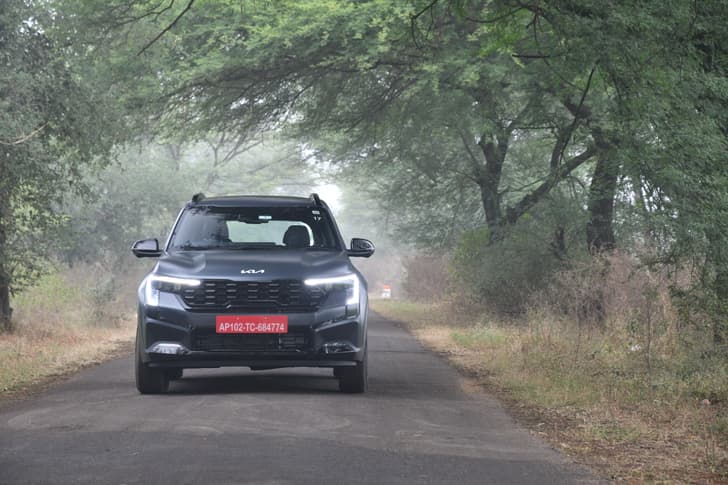
Kia Seltos
Kia Seltos
Kia Seltos
Kia Seltos
Kia Seltos
8
Upcoming
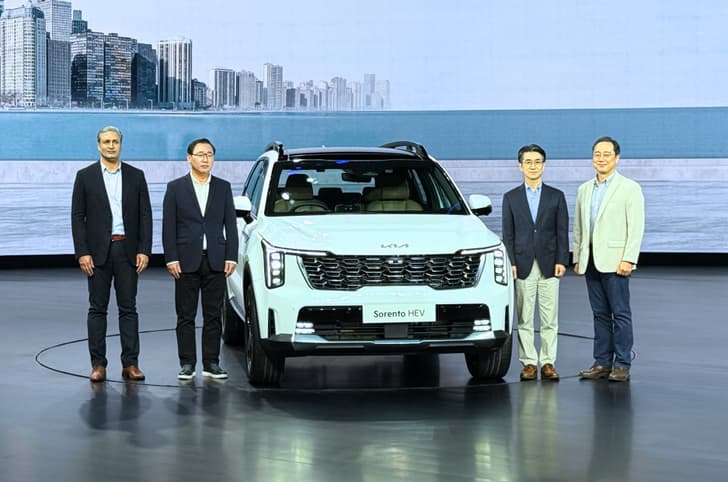
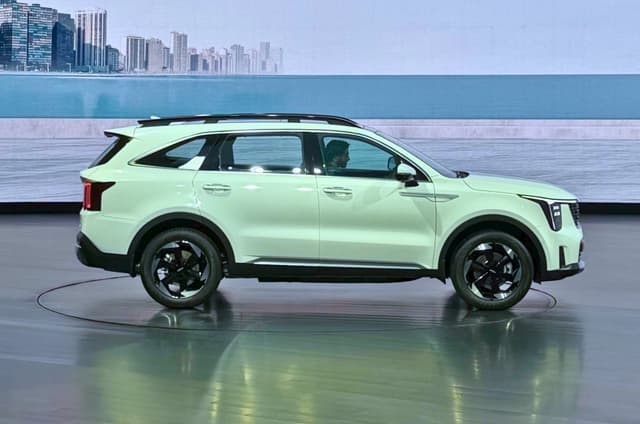
Kia Sorento
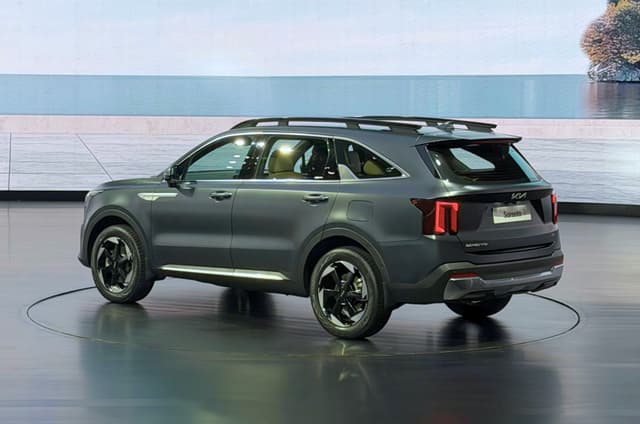
Kia Sorento
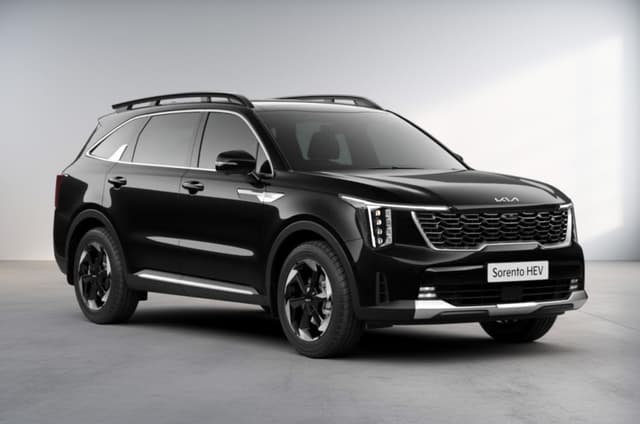
Kia Sorento
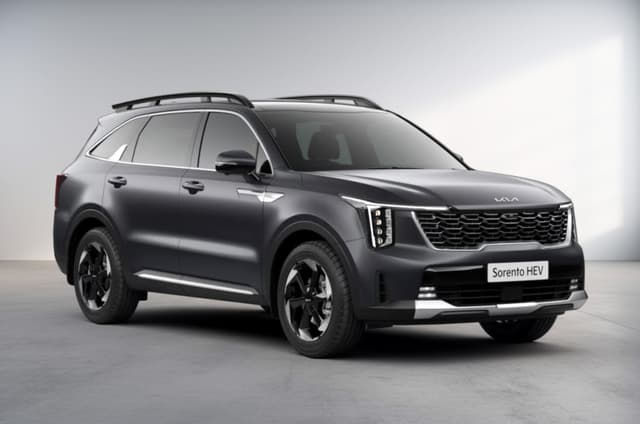
Kia Sorento
Kia Sorento
Mid 2026
Exp. Launch
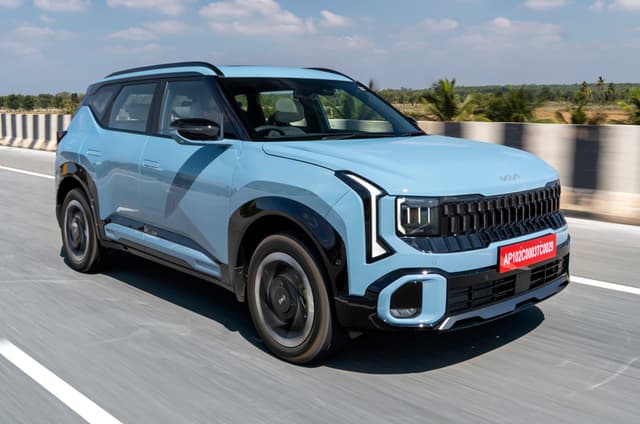
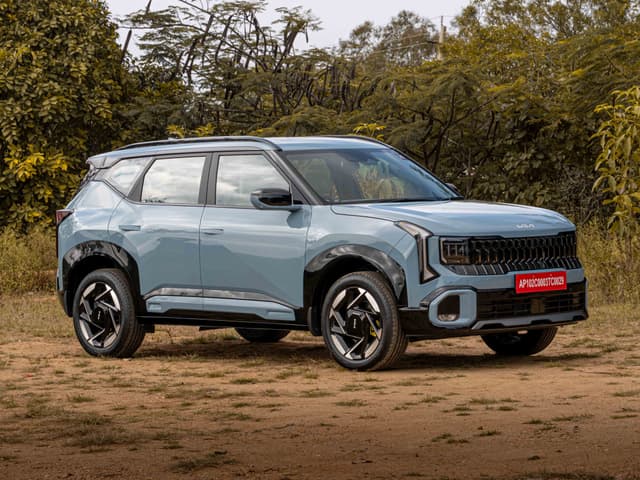
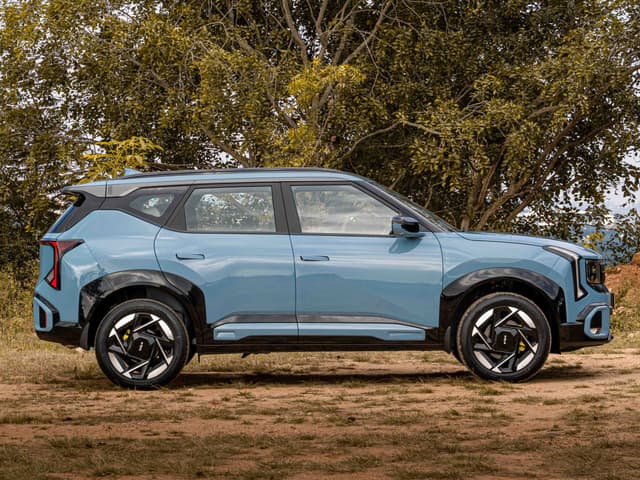
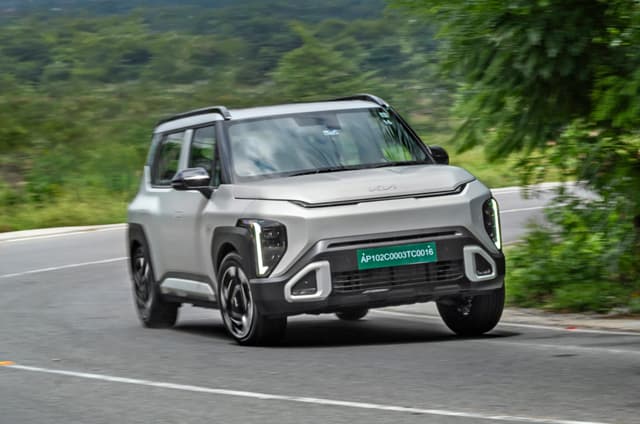
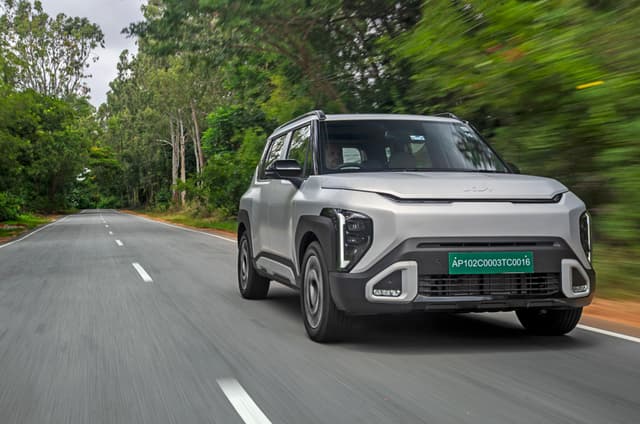
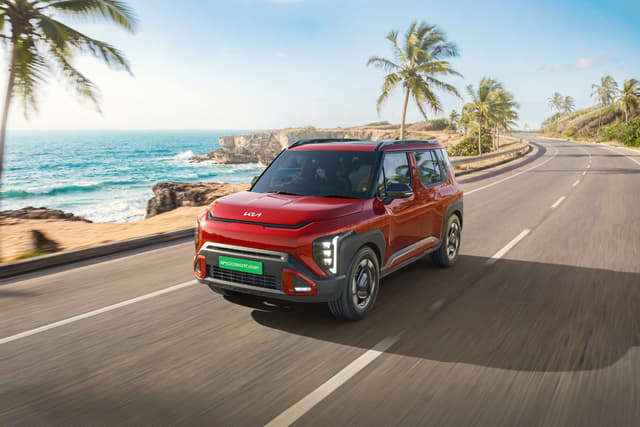
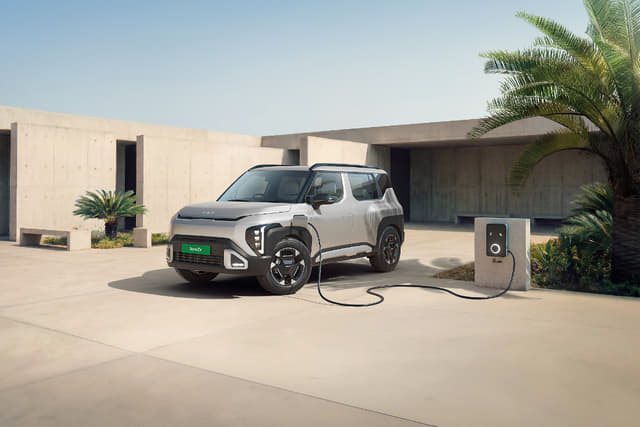
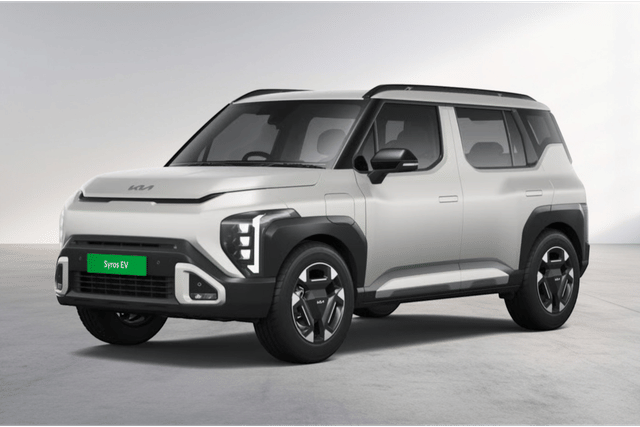
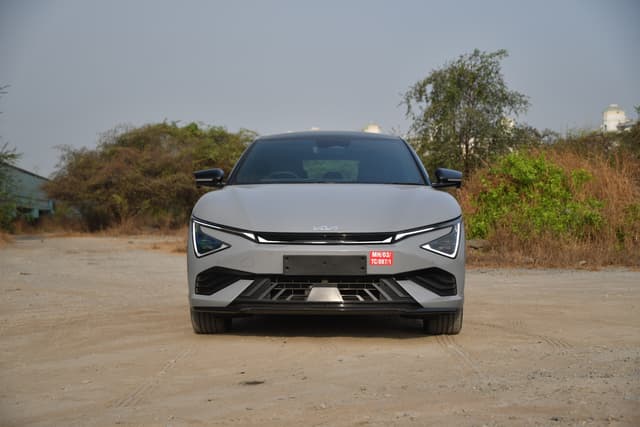
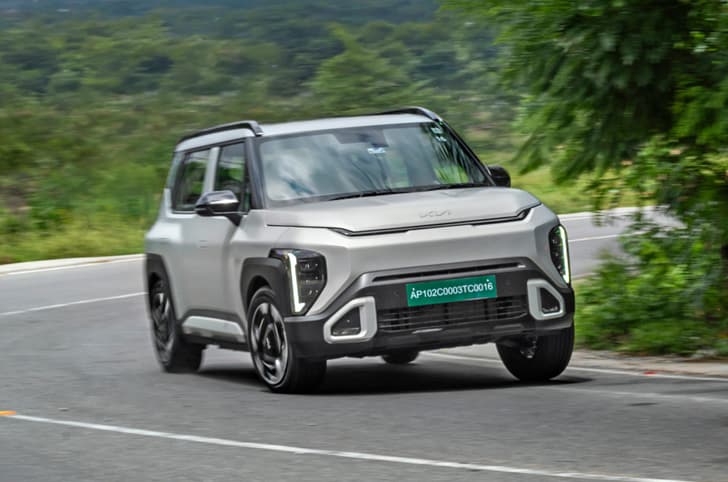
Kia Syros EV
Kia Syros EV
Kia Syros EV
Kia Syros EV
Ivory Silver Matte color image
8
Electric icon
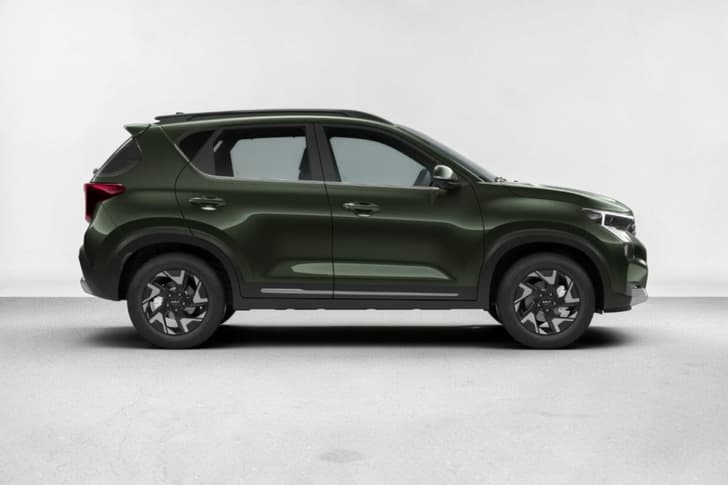
Kia Sonet Front View
Kia Sonet Front Right Three Quarter
Kia Sonet Rear View
Kia Sonet Front Right Three Quarter
Kia Sonet Rear View
8
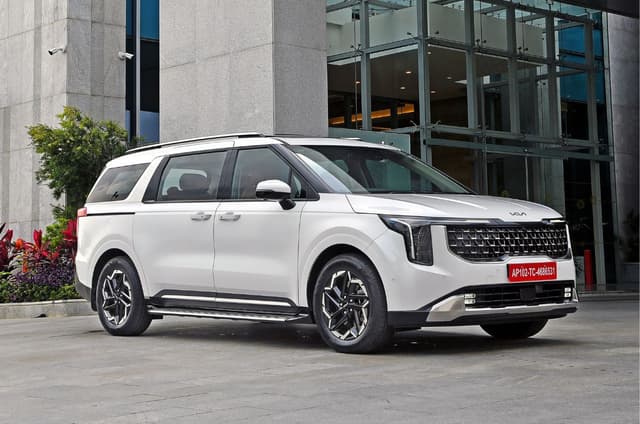
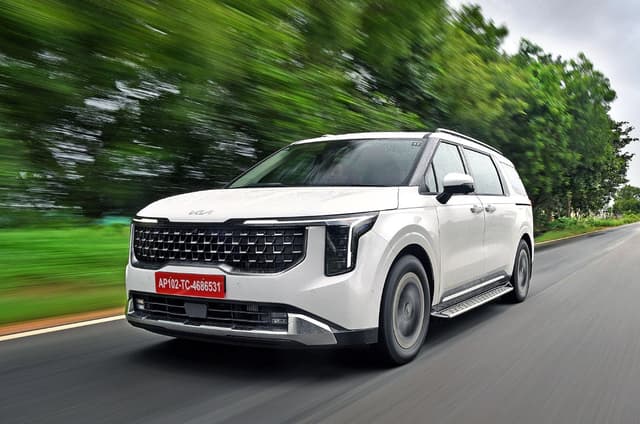
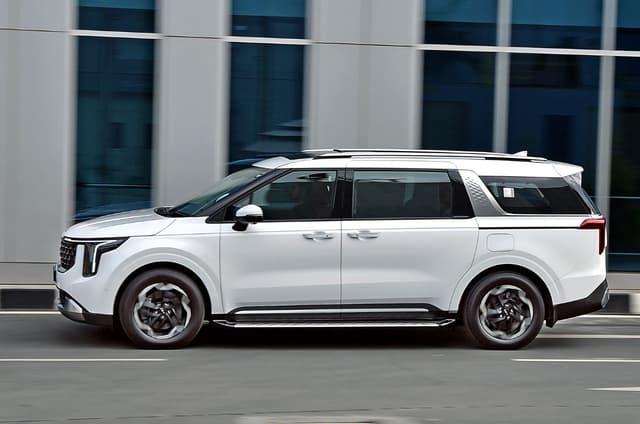
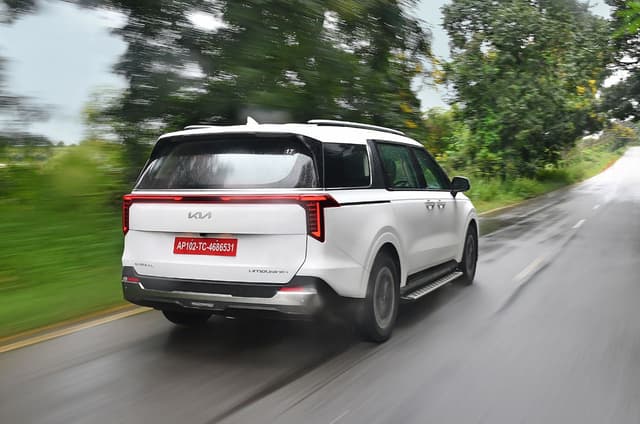
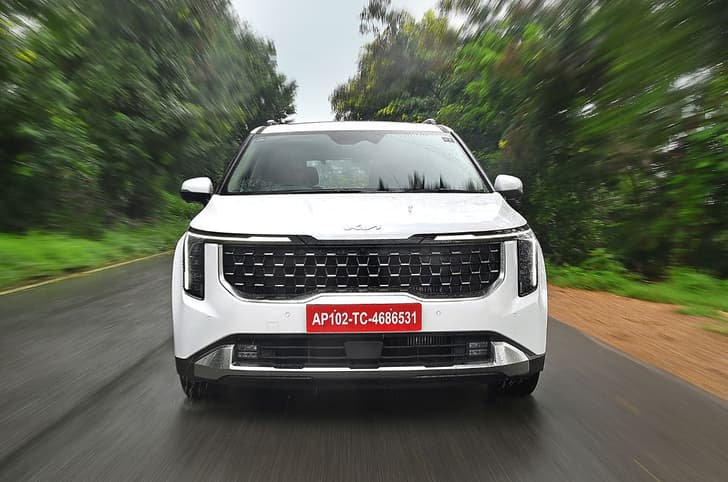
Kia Carnival Front View
Kia Carnival Front Right Three Quarter
Kia Carnival Rear View
7
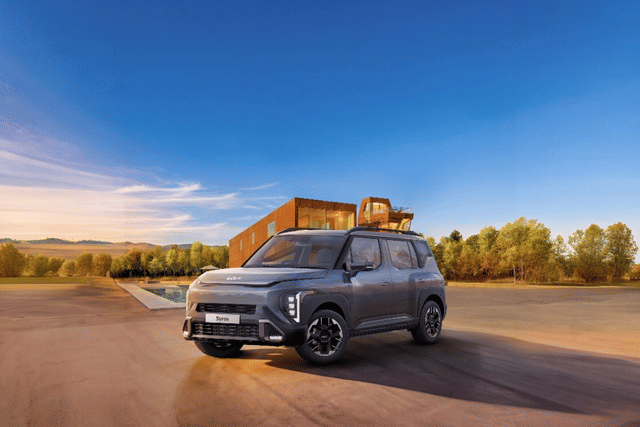
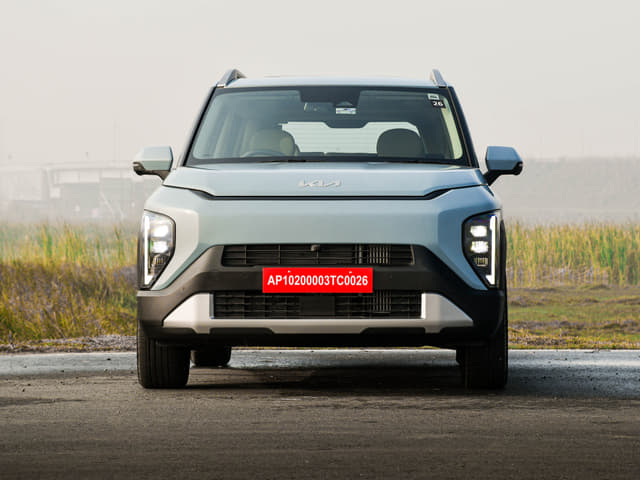
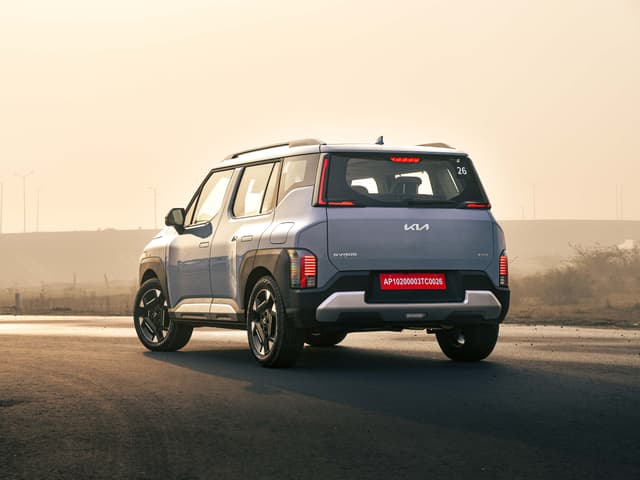
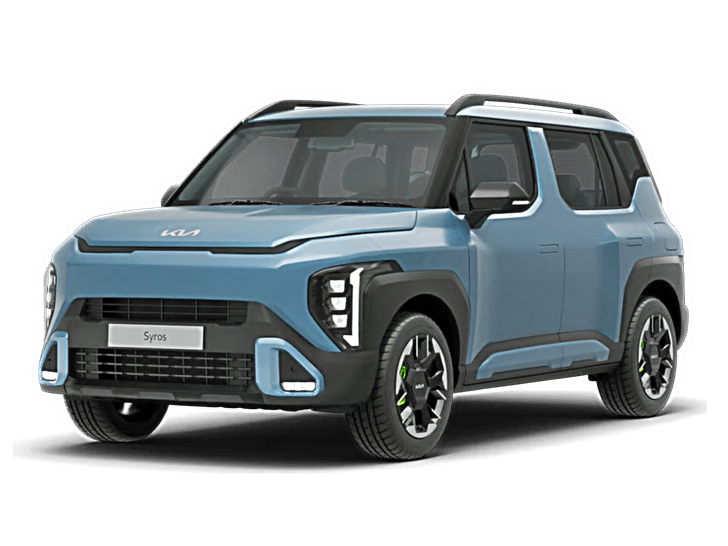
Kia Syros
Kia Syros
Kia Syros
Kia Syros
Kia Syros
9
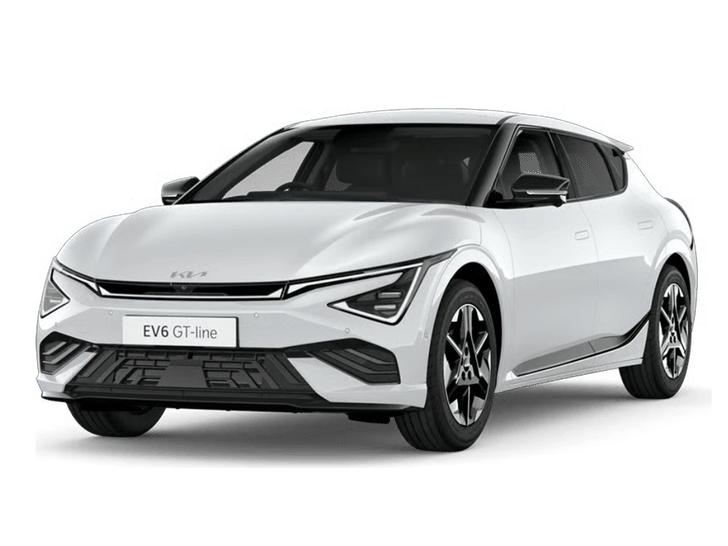
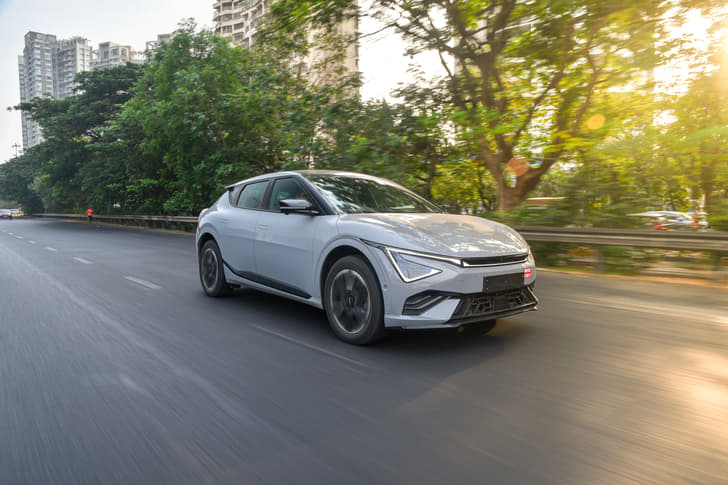
Kia EV6 Front Right Three Quarter
Kia EV6 Front Left Three Quarter
Kia EV6 Front Right Three Quarter
Kia EV6 Front View
8
Electric icon
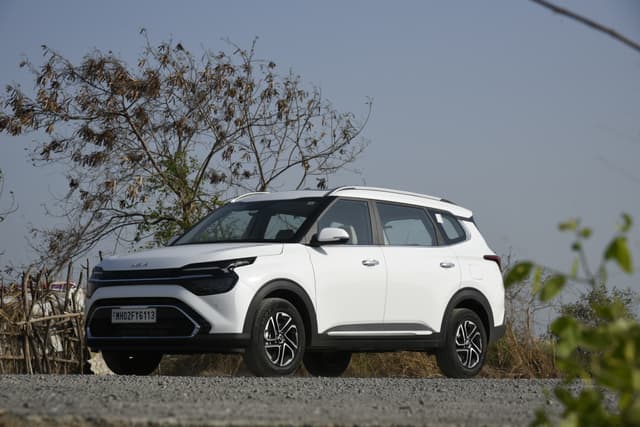
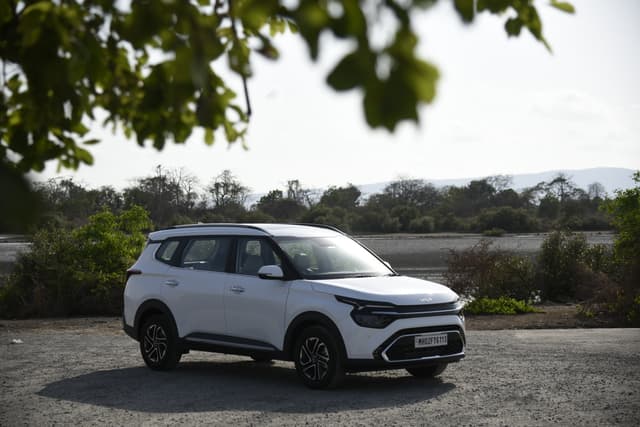
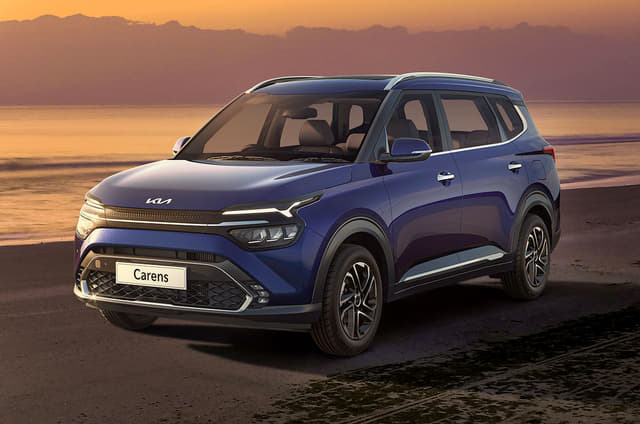
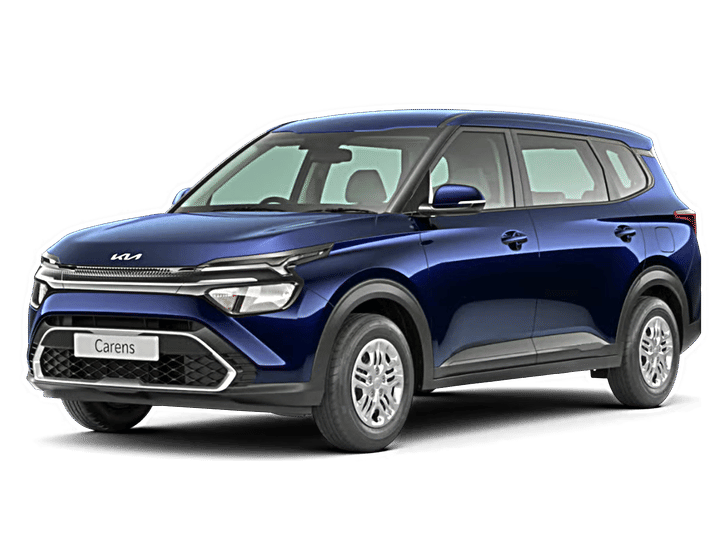
Kia Carens Front Right Three Quarter
Kia Carens Front View
Kia Carens Front Right Three Quarter
Kia Carens Front Left Three Quarter
8
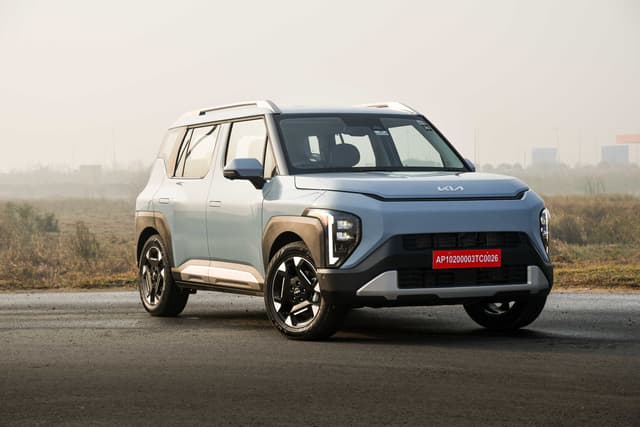
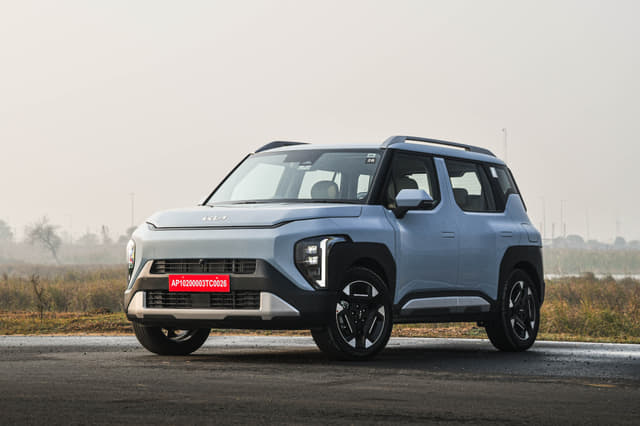
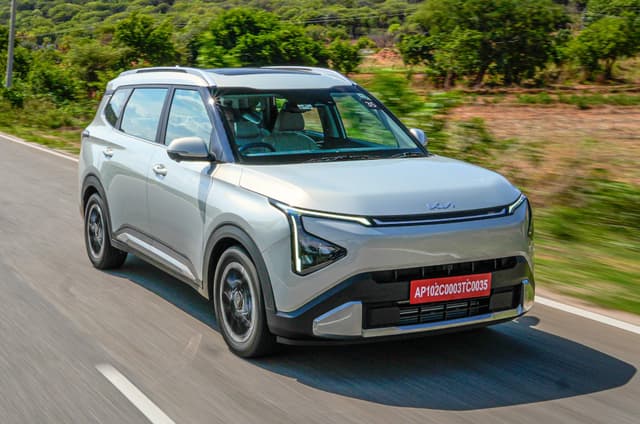
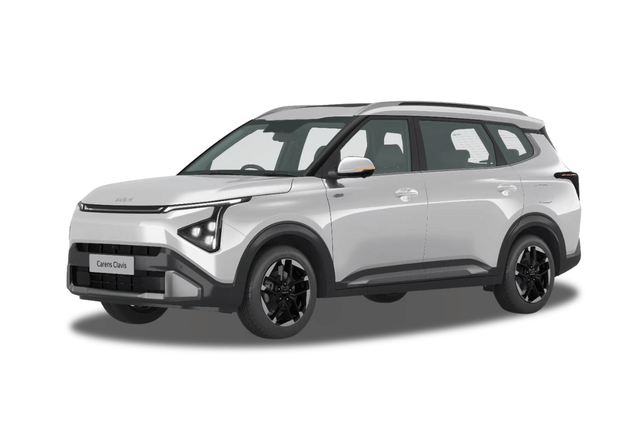
Kia Carens Clavis
Kia Carens Clavis
Kia Carens Clavis Color Sparkling Silver
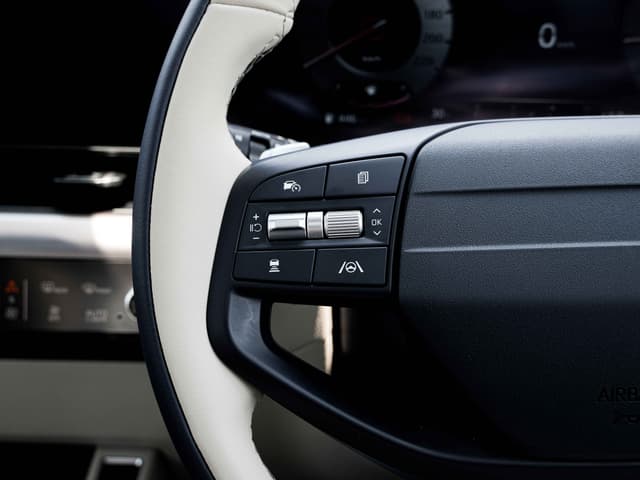
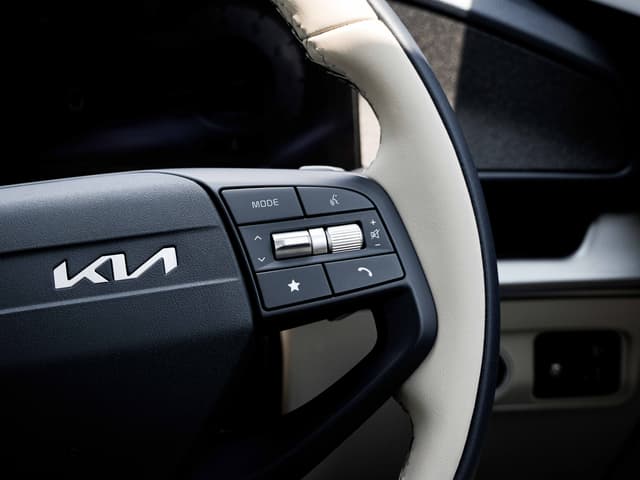
Steering Mounted Controls
8
Upcoming
Kia New Sonet
2027
Exp. Launch
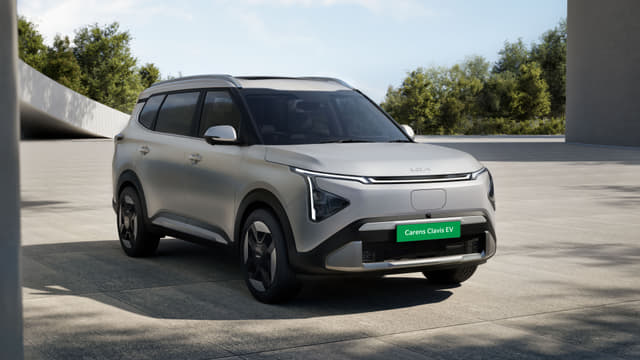
Kia Carens Clavis EV
Kia Carens Clavis EV Front View
8
Electric icon
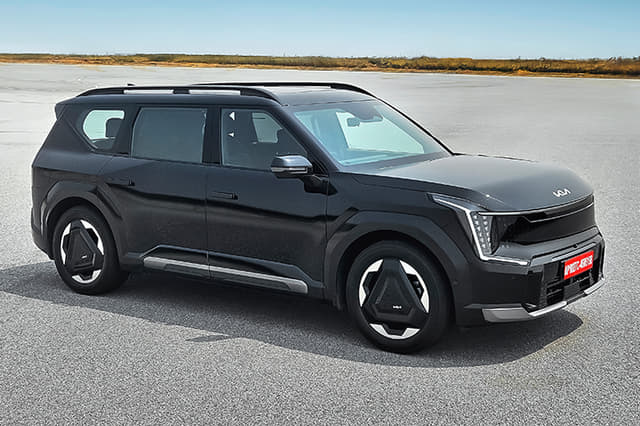
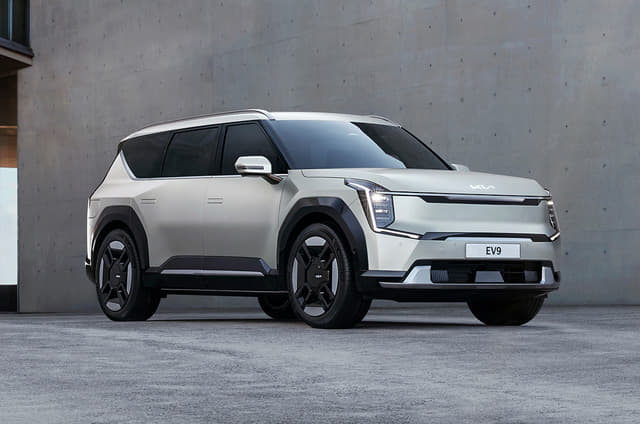
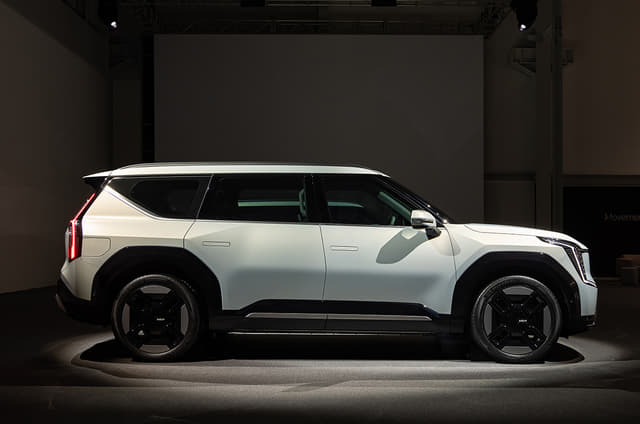
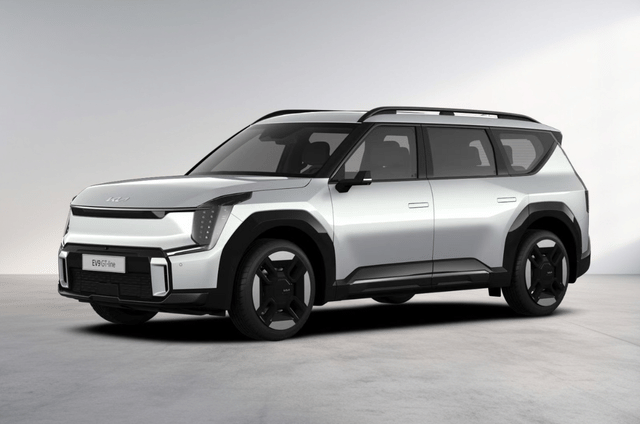
Kia EV9
Kia EV9
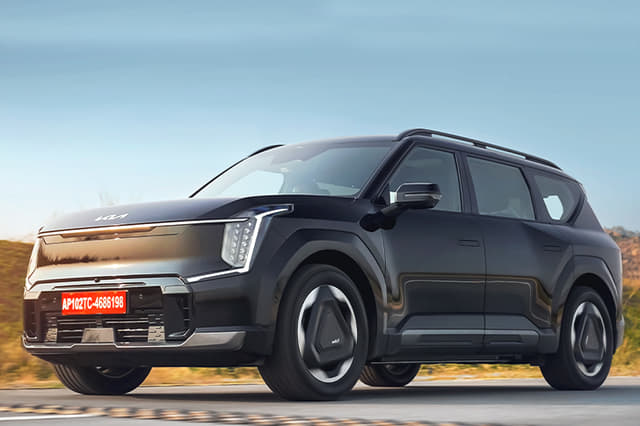
Kia EV9 Front Right Three Quarter
Kia EV9 Alloy Wheels
Snow White Pearl color image
7
Electric icon

Kia Cars - FAQs

Kia car price in India start at around ₹7.50 lakh and go up to ₹1.30 crore (ex-showroom).

The Sonet is the cheapest among all Kia cars in India. Its price starts at around ₹7.50 lakh (ex-showroom).

The EV9 is the most expensive model in the current Kia India lineup. It is priced at ₹1.30 crore (ex-showroom).

The Kia cars in India that are currently on sale are: Seltos, Carnival, Sonet, Syros, EV6, Carens Clavis, Carens Clavis EV, Carens, and EV9.

Yes. The upcoming Kia cars in India include 3 models: the New Sonet, the Syros EV, and the Sorento. These models are going to be launched in between 2026-2027. 

Kia manufactures its cars at the Penukonda plant in Andhra Pradesh.

The Kia electric car price in India starts at around ₹18 lakh and goes up to ₹1.30 crore (ex-showroom). The Carens Clavis EV is the most affordable electric model, while the EV9 is the most expensive.

Among the Kia electric cars in India, the EV6 offers a claimed range of 663 km, which is the highest in the current lineup.

There are four Kia 7 seater cars in India: Carnival, Carens Clavis, Carens Clavis EV, and Carens.

Kia sedan cars are not currently available in India. The Indian lineup mainly consists of SUVs, MPVs, and electric models.

Need an expert opinion on your car related queries?

Trending Questions on Kia Cars - Answered by Autocar Experts

1d

I want to buy a safe and reliable car for a family of three and a dog. We previously used a Maruti Swift Dzire and typically take around 7-8 highway trips every year. The car will also be our primary vehicle for daily driving in Bangalore traffic. Now, I’m looking for a car that offers excellent safety, reliability, and low maintenance, with minimal service issues over the long term. Which cars would be the best options for our usage? Also, is it still a good idea to buy a petrol car, especially with the increasing adoption of E20 petrol and changing emission norms? Should I consider a naturally aspirated petrol, a turbo-petrol, a hybrid, or another option? Our budget is under 30 lakhs

Verified
1d

For your usage, the Toyota Innova HyCross petrol is the best fit. You are coming from a Swift Dzire and want a safe, reliable family car for Bangalore traffic and 7-8 highway trips a year. The HyCross petrol is a naturally aspirated 2.0-litre engine with a CVT, so it is smooth, reliable and easy to drive in the city. This Toyota car is also a very comfortable highway car with a spacious cabin, good ride quality and Toyota’s strong reliability and service network. The hybrid version is more expensive and only makes sense if your running is high enough to justify the premium. The petrol is the better value for your usage.On fuel choice, E20 is not a concern. Modern petrol engines are engineered for E20, and there is no official roadmap beyond E20. Premium petrol is not required. The main impact of higher ethanol blends is slightly lower fuel economy, not reliability. Turbo-petrol engines are fine if you want performance, but for long-term ownership and low maintenance, a naturally aspirated petrol is the safer choice. Hybrids are worth considering only if your running is high enough to recover the premium.If you want a smaller car, the Kia Seltos is a good alternative. It feels premium, is spacious, has a smooth naturally aspirated petrol with a CVT, and Kia’s aftersales service is reliable too.

Vehicle
Vehicle
1d

I want to buy a seven-seater car for my family. It will be used by my uncle and me, and my budget is Rs. 25 lakh. I am looking for an automatic transmission, a panoramic sunroof, and good fuel efficiency.

Verified
1d

Go for the Kia Carens Clavis diesel automatic. It is the most sensible and well-rounded choice for your requirements. The Carens is a genuinely spacious seven-seater with a comfortable third row, which is important when the car will be shared between families. The diesel automatic is the right powertrain for strong fuel efficiency and effortless performance, especially on highways and with a full load. The Carens also comes well equipped with features like a panoramic sunroof, and Kia’s service network and ownership experience are among the best in the segment. The only real drawback is that the Carens does not have the same SUV-like road presence as some rivals, but as a practical family car it is hard to fault. If you want something with a more rugged SUV feel, the Mahindra XUV 7XO diesel automatic is worth considering, but mileage would be lower. The Carens is the better all-round family car.

Vehicle
Vehicle
1d

I am confused between the Kia Seltos HTX IVT and the Tata Safari Adventure X Plus. The price difference between the two is around Rs. 2.5 lakh. My priorities are overall comfort, especially rear-seat comfort, decent fuel efficiency, and a strong road presence. Which one would you recommend?

Verified
23h

Go for the Kia Seltos HTX IVT. It is the better fit for your priorities of comfort, rear seat experience, decent mileage and road presence. The Seltos is a well-rounded midsize SUV with a comfortable ride, a spacious and supportive rear seat and a smooth IVT automatic that makes city driving effortless while still delivering respectable fuel efficiency. It also has a premium cabin and enough road presence to feel special without being cumbersome in everyday use.The Tata Safari Adventure X Plus is a larger, more imposing SUV with a stronger road presence and a more commanding driving position, but it is a fundamentally different proposition. It is a three-row SUV with a bigger footprint, higher running costs and is best suited to buyers who regularly need the extra space or do a lot of highway touring. For your priorities, the Seltos is the more sensible and satisfying choice, and the Rs 2.5 lakh you save can be put towards a higher variant or other ownership costs.

Vehicle
Vehicle
1d

Hello Autocar, I am using a 4-year-old Tata Nexon AMT, and I suffered a gear oil leakage issue during the third year and an engine oil leakage issue in the fourth year. Due to the engine oil leakage, the engine had to be opened for repairs, and the car remained in the workshop for two months. Since the engine has been opened, I am wondering whether I should replace the car because of these issues. However, the car is running fine now, although I do feel there is a loss of power and mileage. I would like to know whether I should change the car now or wait a few months to understand the roadmap for ethanol blending. Also, my annual running is only around 5,000 km. Would a naturally aspirated engine be a better choice than a turbocharged engine, considering the car would remain idle for long periods? I am thinking of switching to the Maruti Suzuki Brezza TC. However, I like the Kia Sonet's interiors, but I am concerned about its turbo engine and DCT. That said, the Sonet seems like a fun-to-drive car on the highways. My usage will be around 70% city and 30% highway. Please advise.

Verified
1d

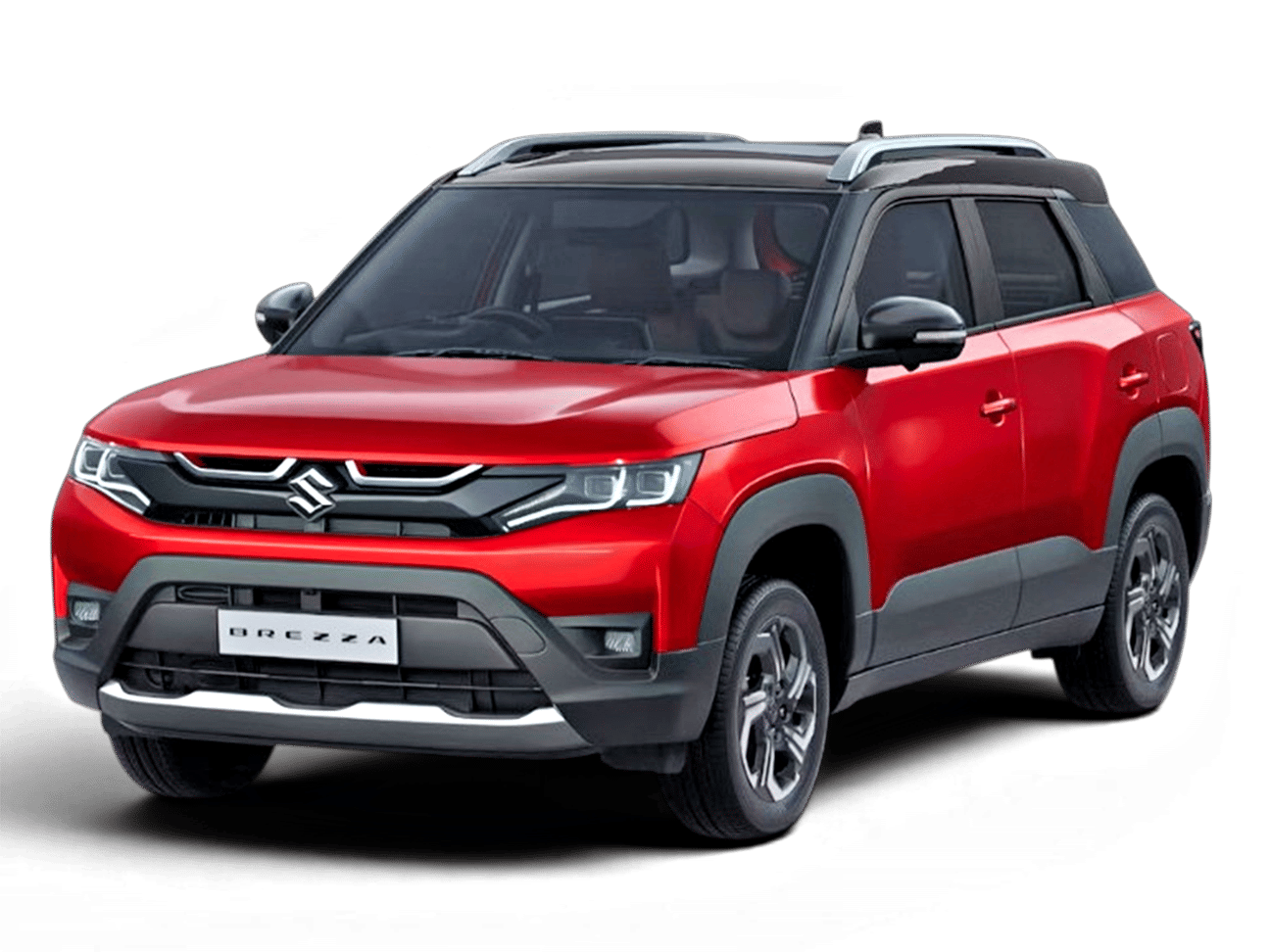
Given your low annual running of 5,000km and the fact that the car will be idle for long periods, a naturally aspirated petrol engine paired with a torque converter automatic is the most sensible choice. The Maruti Suzuki Brezza fits this brief perfectly. It is a simple, reliable and low-maintenance package with a proven engine and gearbox combination that will serve you well over a long ownership period. The Sonet turbo petrol DCT is the more fun-to-drive option on the highway, but the DCT gearbox is not the ideal choice for predominantly city driving and long periods of idling. As for your current Nexon, if the car is running fine now, there is no immediate need to change it. However, given the engine has already been opened and you are experiencing a perceived loss of power and mileage, it is understandable to want to move on. On the ethanol front, there is no official roadmap beyond E20 at this stage, and modern engines are engineered to handle E20 without issue. There is no need to wait for further clarity. The Brezza is the safer and more sensible long-term choice for your usage pattern.

Vehicle
Vehicle
Vehicle
1d

My daily office commute is 70 km in total, and I have a solar power system at home. I am planning to sell my existing 2022 Hyundai E10. Should I choose the Tata Punch EV 40 kWh top model or the Kia Syros 42 kWh base model? I prefer Kia for its reliability, as I have concerns about Tata's poor service. However, the Kia base model does not offer a rear-view camera or a 360-degree camera.

Verified
1d

The Kia Syros EV 42kWh would be the better choice for your requirements. With a 70km daily commute and a solar system at home, an electric car makes perfect sense, and you'll recover the higher purchase price through lower running costs. Since you're already concerned about Tata's service experience, the Syros is likely to give you greater peace of mind over the long term. Both the Kia and Tata come with comprehensive battery warranties, so battery life shouldn't be a deciding factor. The Syros also offers a more spacious cabin and should feel like a more grown up car to live with every day. The only drawback is that the base variant misses features like a rear parking camera, which is genuinely useful. If possible, consider stretching to the next variant that includes it. If not, check whether Kia offers an OEM-approved camera accessory or dealer fitment rather than opting for an aftermarket unit, as this is less likely to create warranty issues.

Vehicle

Last Updated on: 1 Aug 2026